Honouring the past, tending the present, preserving for the future
Caring for the Churchyard
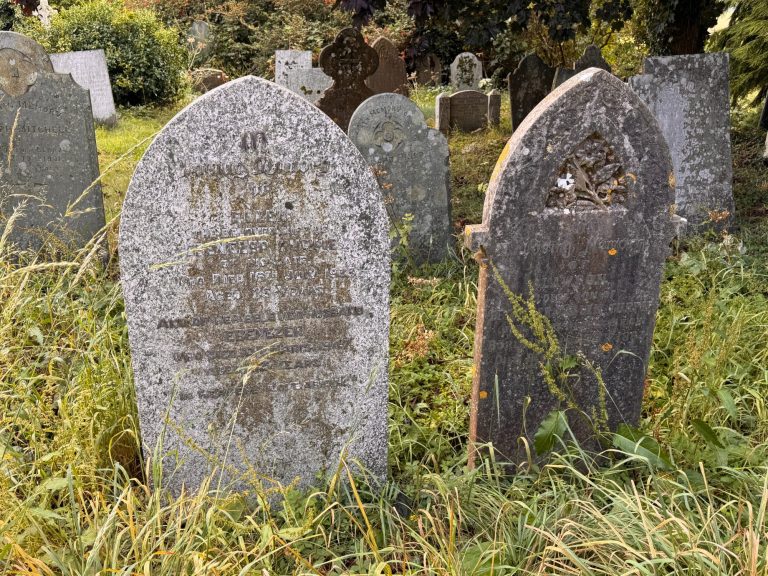
Our churchyard is a cherished part of St Veep’s heritage—a place of peace, remembrance, and natural beauty. We work hard to care for the grounds, tend the graves with respect, and keep the space safe and welcoming for everyone.
We kindly ask visitors to help us by placing flowers and tributes thoughtfully and using the bins provided for any rubbish. Together we can preserve this special place for future generations.
The North-west Churchyard
A Garden of Memories
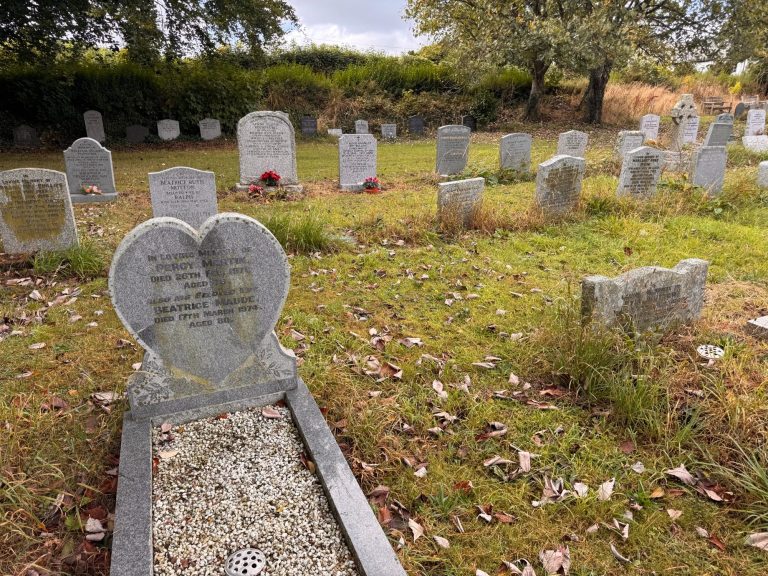
This part of the churchyard remains in use for burials and interments, and we care for it with deep respect. Families are welcome to visit, tend graves, and place tributes thoughtfully. Together we honour those who rest here and preserve this peaceful space for generations to come.
The South West Area
Table tombs and family plots
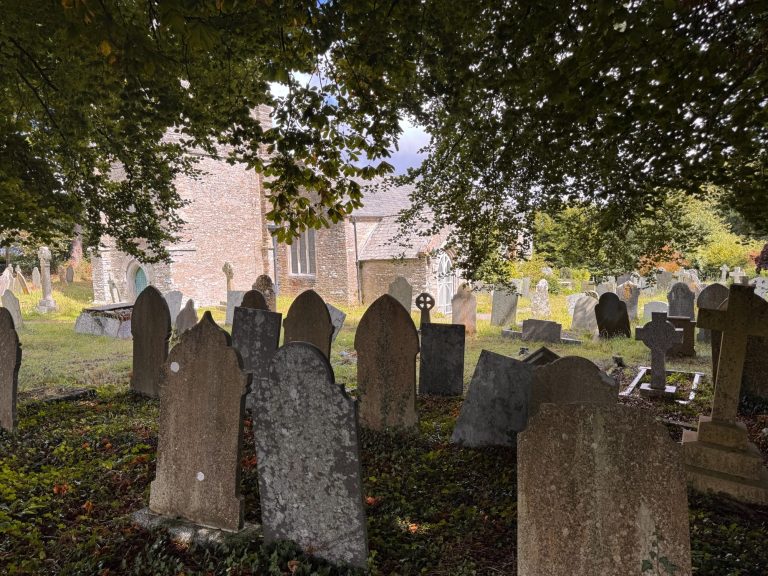
The older areas of the churchyard aren't laid out in neat rows, but in family groups, with most graves dating from the 19th century. Among them stands a striking table tomb from 1736, a reminder of the long history of worship and community life at St Veep. This area offers a quiet glimpse into the parish’s past, with many local family names still recognisable today.
The East Area
The preferential places?
Were some burial places considered more important?
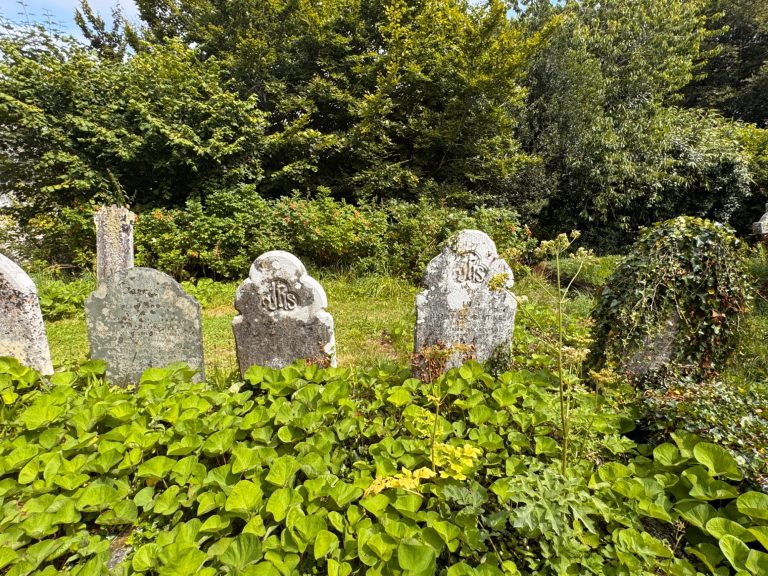
Traditionally, the east side of a churchyard was the most sought‑after burial ground. This comes from long‑held Christian symbolism:
The east is associated with resurrection and the rising sun.
Churches are usually oriented east–west, with the altar at the east end — the holiest part of the building.
Being buried on the altar side of the church was therefore seen as a mark of honour or spiritual privilege.
Because of this, the eastern section was often reserved for:
- clergy
- prominent parishioners
- benefactors
- long‑established local families